
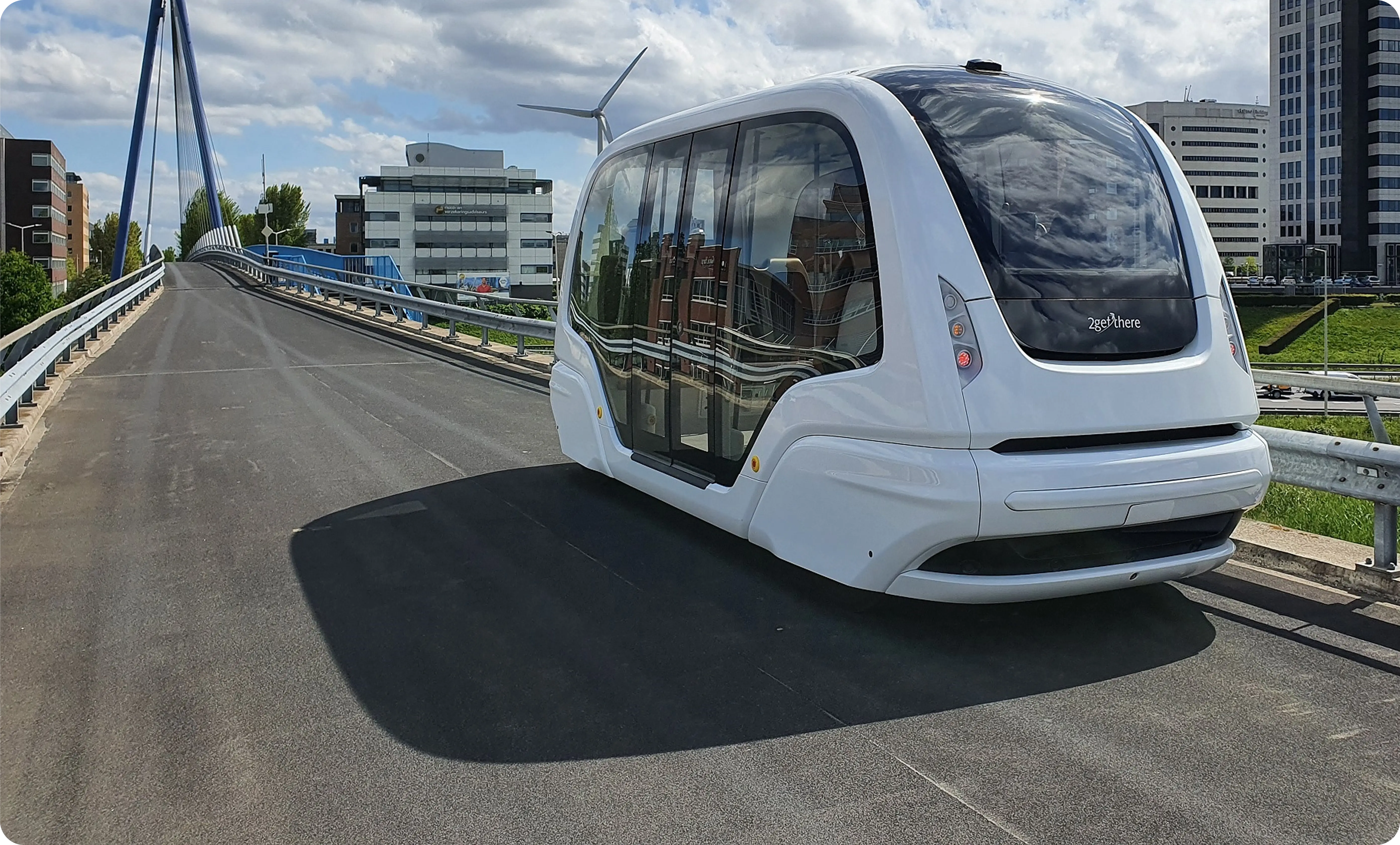
The world’s first self‑driving road transit system.
Proven, safe, efficient and sustainable mobility for smart cities, airports, campuses & industrial zones, urban and rural transit applications.
The world’s first self‑driving road transit system.
Proven, safe, efficient and sustainable mobility for smart cities, airports, campuses & industrial zones, urban and rural transit applications.
8.3MN+
Passengers transported
Across multiple continents since 1999
8.3MN+
Passengers transported
Across multiple continents since 1999
99%
System availability
24/7 operations
99%
System availability
24/7 operations
3.4MN+
Kilometres travelled
Safely. Reliably. But above all, fully autonomously.
3.4MN+
Kilometres travelled
Safely. Reliably. But above all, fully autonomously.
0
Safety incidents
Safety engineerd into every system
27
Years
Commercial operations
27
Years
Commercial operations
~2,000
People / Hour | Rush Hour
As cities grow, roads can’t keep up. Our dedicated‑lane transit system moves more people without adding to congestion, delivering capacity without the gridlock.
~2000
People / Hour | Rush Hour
As cities grow, roads can’t keep up. Our dedicated‑lane transit system moves more people without adding to congestion, delivering capacity without the gridlock.
~2,000
People / Hour | Rush Hour
/
Use Cases
From a single campus to an entire city.
From a single campus to an entire city.
Intelligent mobility engineered for diverse environments and real‑world challenges
/
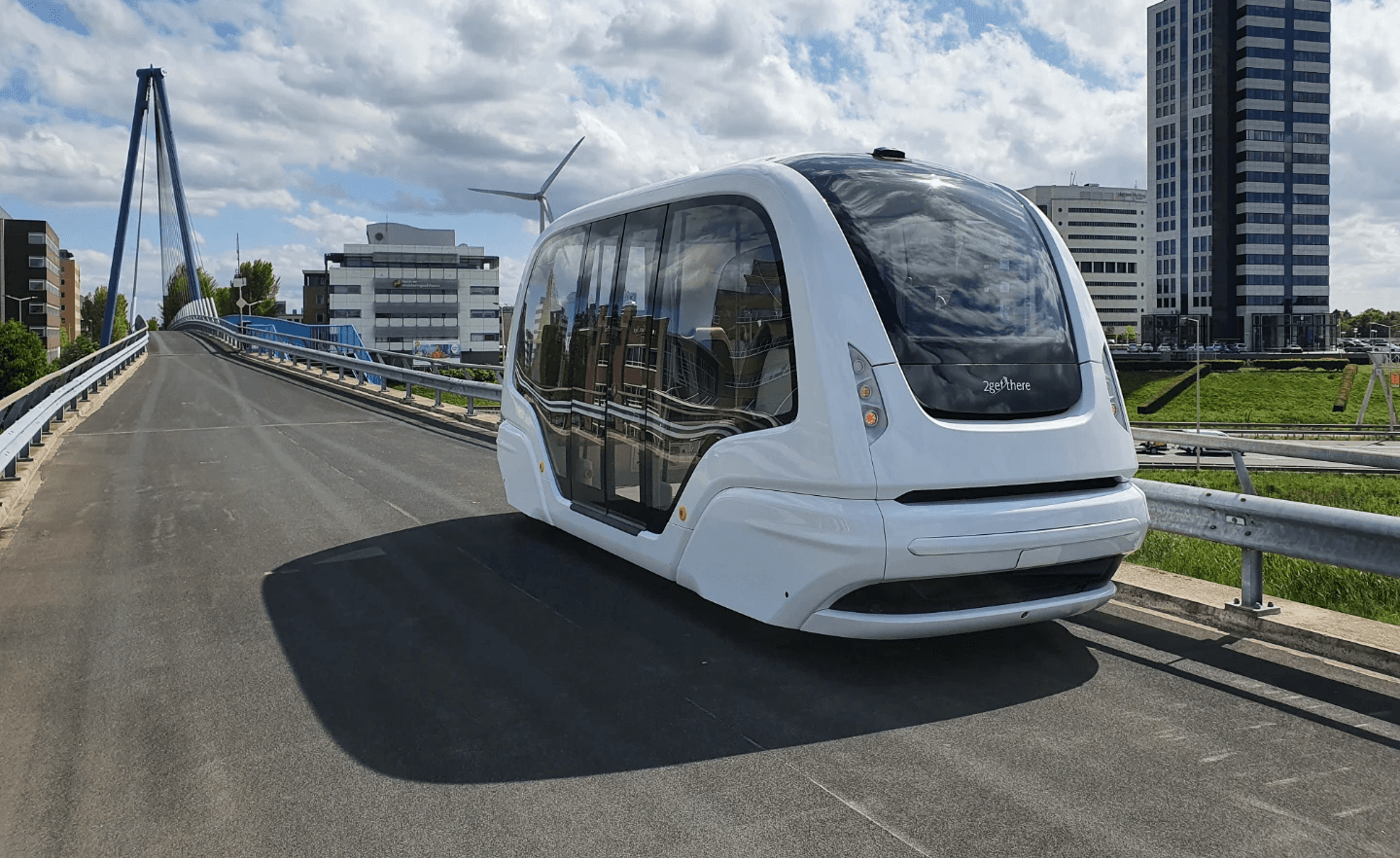
Smart Cities
Connecting cities of tomorrow.
Creating traffic-free living by seamlessly moving people across next-generation urban ecosystems.
/
Smart Cities
Connecting cities of tomorrow.
Creating traffic-free living by seamlessly moving people across next-generation urban ecosystems.
/
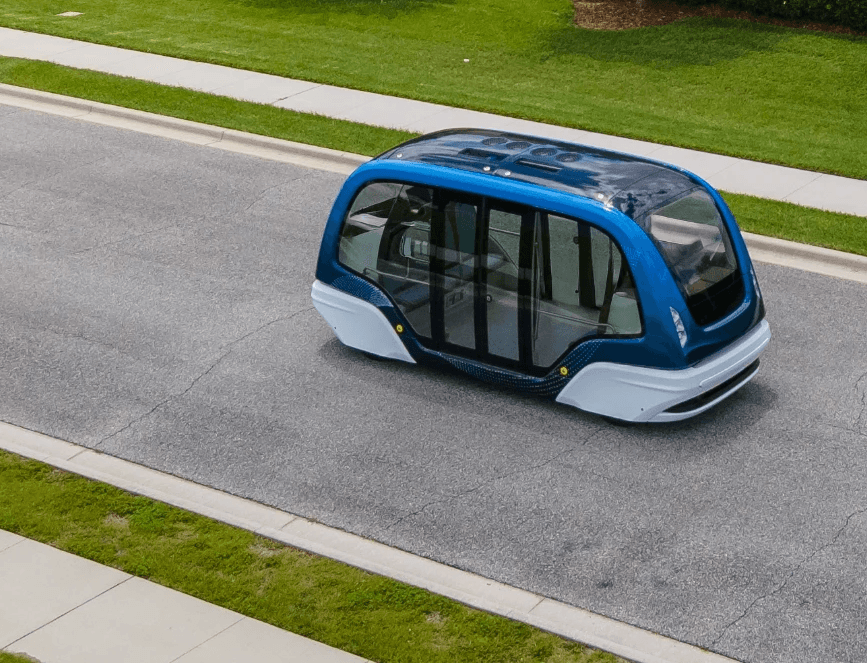
First & Last mile
Urban mobility applications.
Connecting people to metro, rail and bus on dedicated lanes, we close the first and last mile. We complement public transit — making the whole network one seamless, multi modal journey.
/
First & Last mile
Urban mobility applications.
Connecting people to metro, rail and bus on dedicated lanes, we close the first and last mile. We complement public transit — making the whole network one seamless, multi modal journey.
Airports.
Move passengers efficiently from terminal to gate.
Campuses and Industrial areas.
Campuses and Industrial areas.
Business parks, universities, theme parks, ports and more.
/
The invention
We didn't wait for the future of transit.
We built it in 1999.
We didn't wait for the future of transit. We built it in 1999.
We didn't wait for the future of transit.
We built it in 1999.
Rivium, just outside Rotterdam, has been running our driverless vehicles in daily service for more than a quarter-century. We operate through heatwaves, desert dust, rains and winter conditions.
Rivium, just outside Rotterdam, has been running our driverless vehicles in daily service for more than a quarter-century. We operate through heatwaves, desert dust, rains and winter conditions.
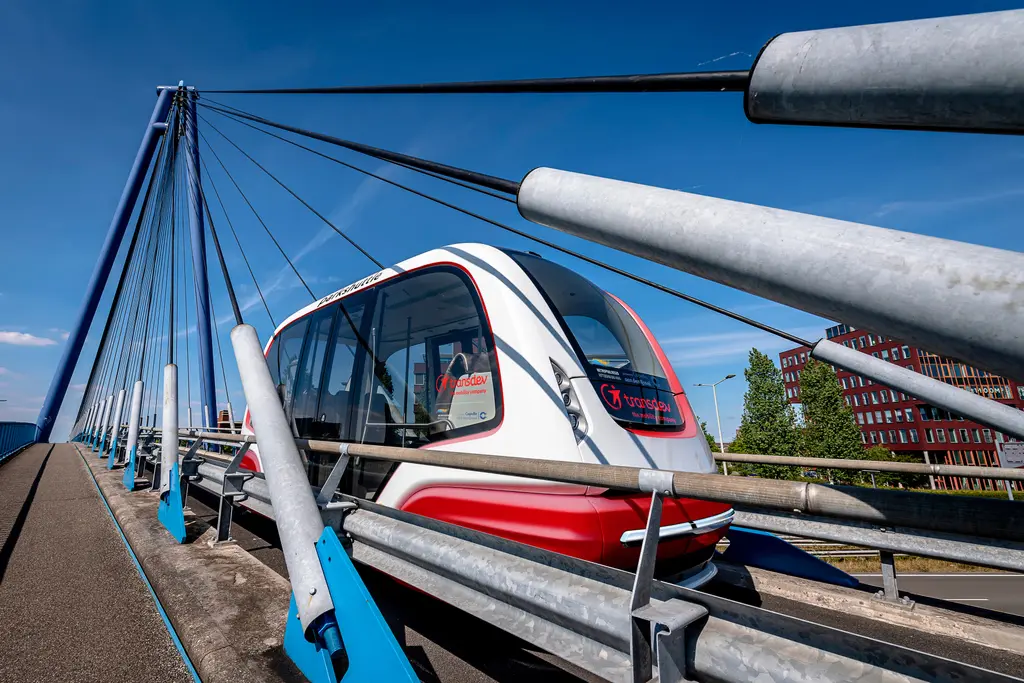
Rivium
Transdev, Rotterdam / 1999 onwards
3.6 kilometres / Group Rapid Transport

Masdar City
Masdar City, Abu Dhabi / 2010 onwards
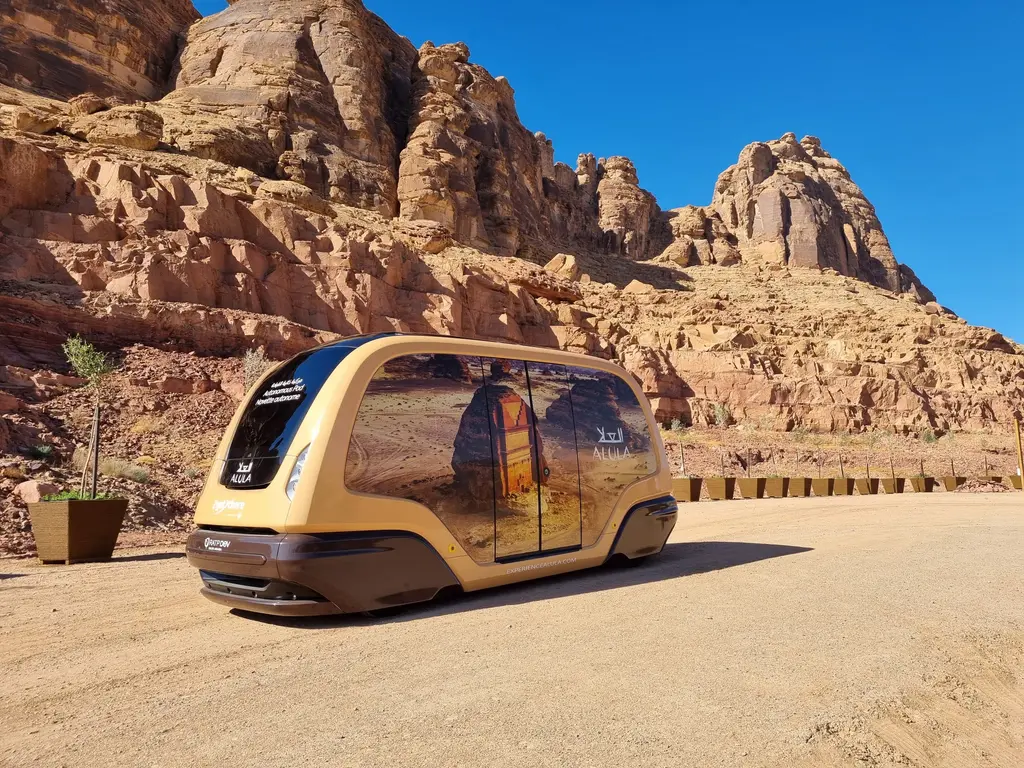
AlUla
RATP Dev, AlUla / 2022

Bandra Kurla Complex
MMRDA, Mumbai / 2027 planned operations
Rivium
Transdev, Rotterdam / 1999 onwards
3.6 kilometres / Group Rapid Transport
Masdar City
Masdar City, Abu Dhabi / 2010 onwards
AlUla
RATP Dev, AlUla / 2022
Bandra Kurla Complex
MMRDA, Mumbai / 2027 planned operations
Rivium
Transdev, Rotterdam / 1999 onwards
Masdar City
Masdar City, Abu Dhabi / 2010 onwards
1.4 kilometres / Personal Rapid Transport
AlUla
RATP Dev, AlUla / 2022
Bandra Kurla Complex
MMRDA, Mumbai / 2027 planned operations
/
All around the globe
Our footprint.
Real-world autonomous deployments, driving transformation at global scale, across industries

/
Insights
The new mobility blueprint.
Essential insights how autonomous transit is reshaping urban design, sustainability, and passenger experience.
/
Insights
The new mobility blueprint.
The new mobility blueprint.
Essential insights how autonomous transit is reshaping urban design, sustainability, and passenger experience.
Essential insights how autonomous transit is reshaping urban design, sustainability, and passenger experience.
6 min read
The invisible intelligence behind autonomous mobility
Karthik Venkatapathy
Team Lead – Fleet Supervision & Vehicle Control at 2getthere
6 min read
The invisible intelligence behind autonomous mobility
Karthik Venkatapathy
Team Lead – Fleet Supervision & Vehicle Control at 2getthere
5 min read
“Learning by doing, and building something together”
Giannis Douvantzis
System Engineer
5 min read
“Learning by doing, and building something together”
Giannis Douvantzis
System Engineer
6 min read
“Platooning is coordinated autonomy”
Jeroen Ploeg
Lead Control Architect
6 min read
“Platooning is coordinated autonomy”
Jeroen Ploeg
Lead Control Architect

The future of transit, already in motion.
The future of transit, already in motion.
The future of transit, already in motion.
Tell us where you need to move people. We'll bring the feasibility study, the engineering team and the track record.